Website Search
Find information on spaces, staff, and services.
Find information on spaces, staff, and services.
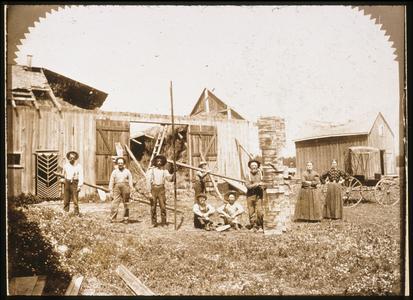
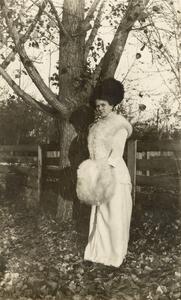
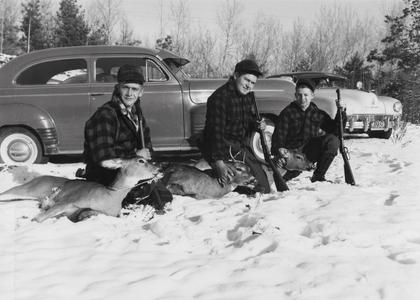
The State of Wisconsin Collection brings together, in digital form, two categories of primary and secondary materials: writings about the State of Wisconsin and unique or valuable materials that relate to its history and ongoing development.
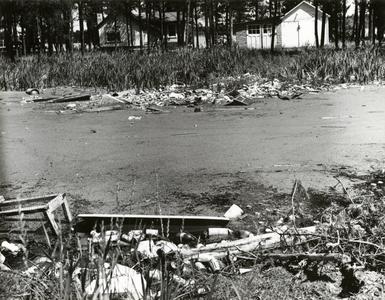
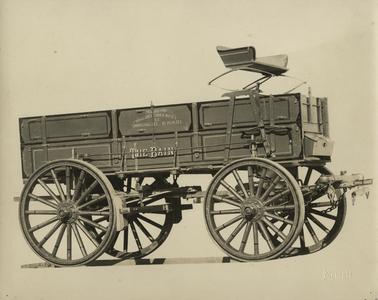
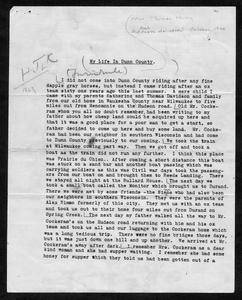
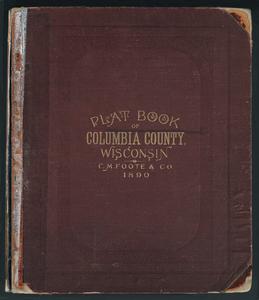
The collection includes published material as well as archival materials. The materials were digitized from a variety of formats including books, manuscripts, sound recordings, photographs, maps and other resources deemed important to the study and teaching of the State of Wisconsin.
The materials included in this rich and growing collection are selected by librarians, scholars, and other subject specialists. A number of factors are considered when selecting items for inclusion in our digital collections. Copyright, format, physical condition of original material, existing descriptive information, and significance of archival collection resources all factor into the equation as we make our decisions about what to make available online.
Due to the variety of formats in which these materials are presented, you may find yourself using a number of search interfaces as you explore the collection. The search interface is dependent upon the structure of the materials in question, and each interface provides different options for searching, retrieving and displaying the material. It is our goal that the search features of the collection will be a convenient aid to scholarship, study and teaching about the State of Wisconsin.
![Beaver Bay, Minnesota, part 1 : [specimens 23075-23032]](https://asset.library.wisc.edu/1711.dl/SKURQJZX7APIS83/M/h300-e0ae8.jpg)
This compilation (including design, introductory text, organization, and descriptive material) is copyrighted by University of Wisconsin System Board of Regents.
This copyright is independent of any copyright on specific items within the collection. Because the University of Wisconsin Libraries generally do not own the rights to materials in these collections, please consult copyright or ownership information provided with individual items.
Images, text, or other content downloaded from the collection may be freely used for non-profit educational and research purposes, or any other use falling within the purview of "Fair Use".
In all other cases, please consult the terms provided with the item, or contact the Libraries.
Copied!