Website Search
Find information on spaces, staff, and services.
Find information on spaces, staff, and services.
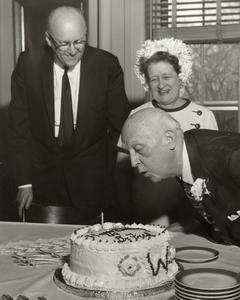
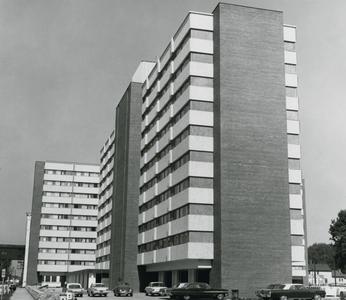
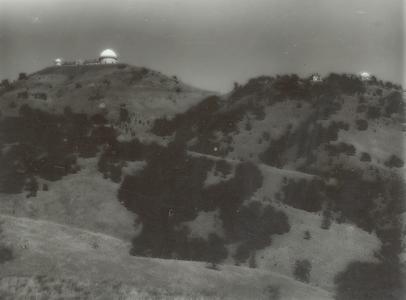
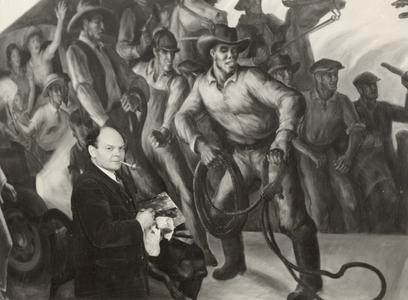
When does an aggregation of "stories" become a "history"? The history of the University of Wisconsin is far too colorful and texture-rich to be told in a single document. Within these collections you will find images, manuscripts, papers, and books, all relating in some way to the University's mission. Each record speaks its own truth; each highlights different people, places and accomplishments; each contributes a unique piece of the story.
The teacher, researcher, or curious citizen is encouraged to explore this collection on a continuing basis, since items will be added to it regularly. The door to the vault has been opened, but only just, and new treasures will continually come to light.
Each institution of the University of Wisconsin System shares in the mission of the system. The mission of this system is to develop human resources, to discover and disseminate knowledge, to extend knowledge and its application beyond the boundaries of its campuses, and to serve and stimulate society by developing in students heightened intellectual, cultural, and humane sensitivities; scientific, professional, and technological expertise; and a sense of purpose. Inherent in this mission are methods of instruction, research, extended education, and public service designed to educate people and improve the human condition. Basic to every purpose of the system is the search for truth.



This compilation (including design, introductory text, organization, and descriptive material) is copyrighted by University of Wisconsin System Board of Regents.
This copyright is independent of any copyright on specific items within the collection. Because the University of Wisconsin Libraries generally do not own the rights to materials in these collections, please consult copyright or ownership information provided with individual items.
Images, text, or other content downloaded from the collection may be freely used for non-profit educational and research purposes, or any other use falling within the purview of "Fair Use".
In all other cases, please consult the terms provided with the item, or contact the Libraries.
Copied!