Website Search
Find information on spaces, staff, and services.
Find information on spaces, staff, and services.
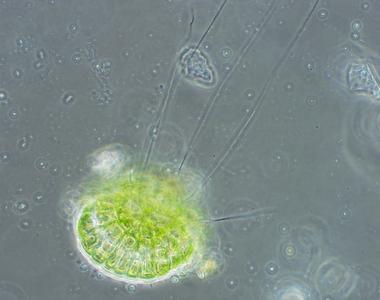
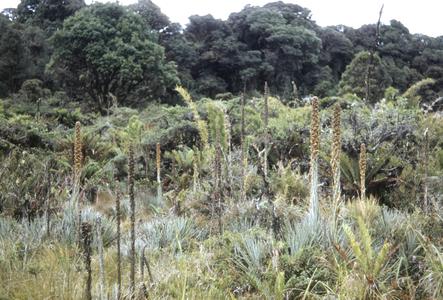
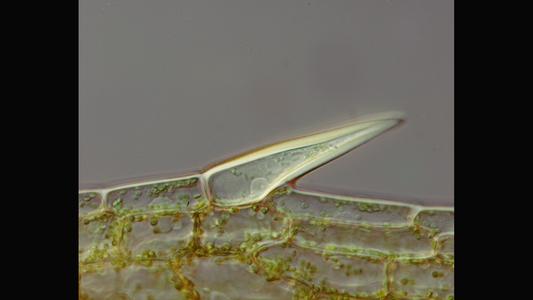
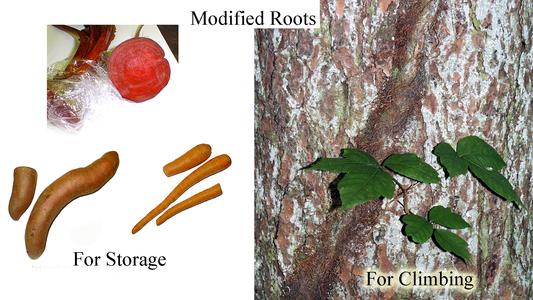
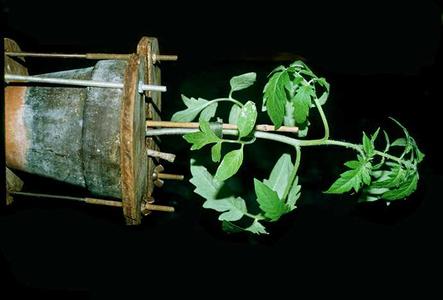
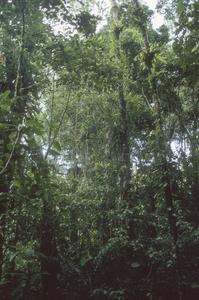
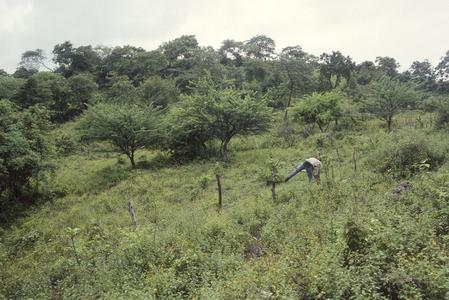
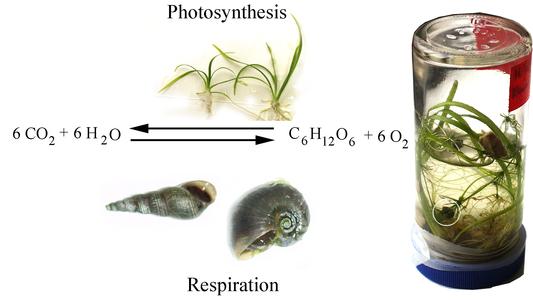
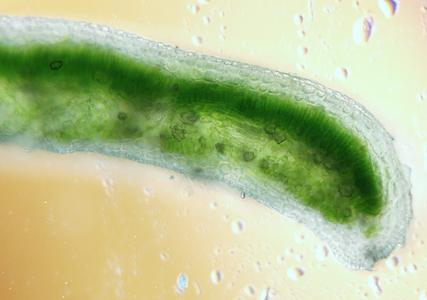
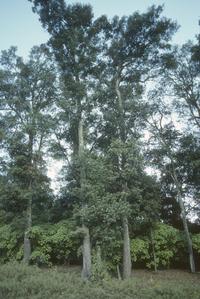
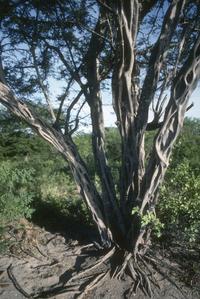
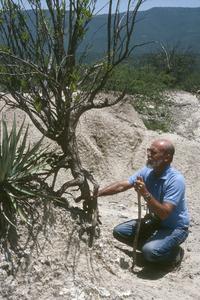
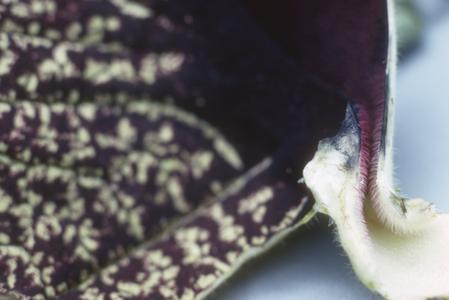
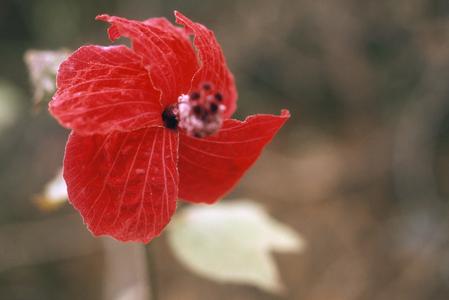
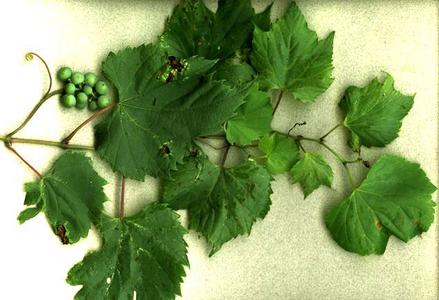
The Botany Collection consists of research and teaching materials created by University of Wisconsin faculty and staff as well as unique or valuable items related to botany held by the University of Wisconsin Libraries.
This compilation (including design, introductory text, organization, and descriptive material) is copyrighted by University of Wisconsin System Board of Regents.
This copyright is independent of any copyright on specific items within the collection. Because the University of Wisconsin Libraries generally do not own the rights to materials in these collections, please consult copyright or ownership information provided with individual items.
Images, text, or other content downloaded from the collection may be freely used for non-profit educational and research purposes, or any other use falling within the purview of "Fair Use".
In all other cases, please consult the terms provided with the item, or contact the Libraries.
Copied!