Website Search
Find information on spaces, staff, and services.
Find information on spaces, staff, and services.
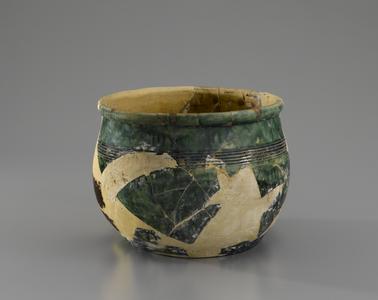
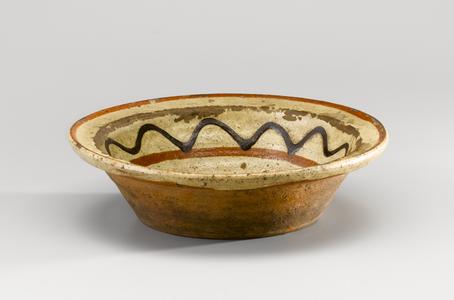
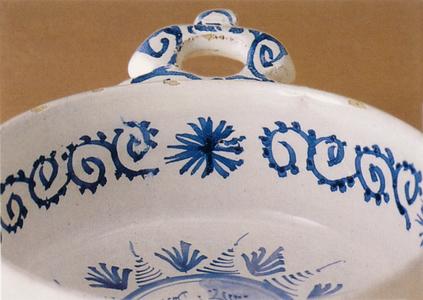
The Digital Library for the Decorative Arts and Material Culture collects and creates electronic resources for study and research of the decorative arts, with a particular focus on Early America. Included are electronic texts and facsimiles, image databases, and Web resources. For more extensive information on this collection, view the Digital Library for the Decorative Arts and Material Culture portal.


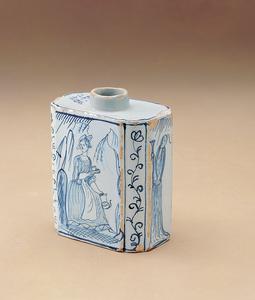
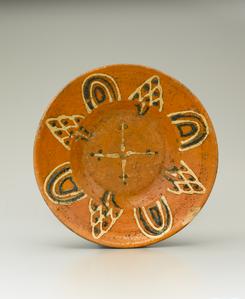
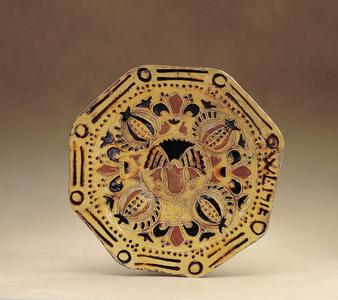

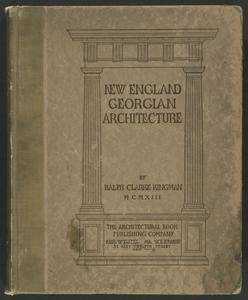
This compilation (including organization, design, and introductory text) is copyrighted by University of Wisconsin System Board of Regents.
This copyright is independent of any copyright on specific items within the collection. Because the University of Wisconsin Libraries generally do not own the rights to materials in these collections, please consult copyright or ownership information provided with individual items.
Note that original photography for objects belonging to the Chipstone Foundation Collections was shot for Chipstone by Gavin Ashworth of New York City.
Images, text, or other content downloaded from the collection may be freely used for non-profit educational and research purposes, or any other use falling within the purview of "Fair Use"
In all other cases, please consult the terms provided with the item, or contact the Libraries.
Copied!
Made possible by the Chipstone Foundation, the project is produced at the University of Wisconsin Madison General Library System.