Website Search
Find information on spaces, staff, and services.
Find information on spaces, staff, and services.
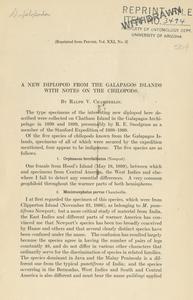
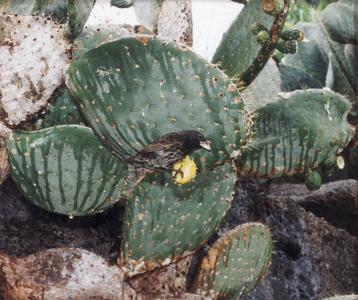
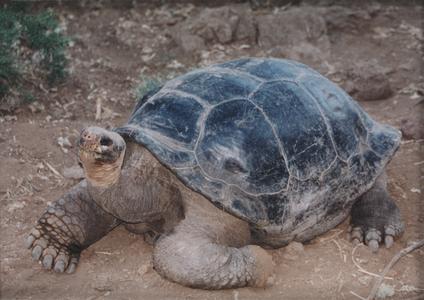
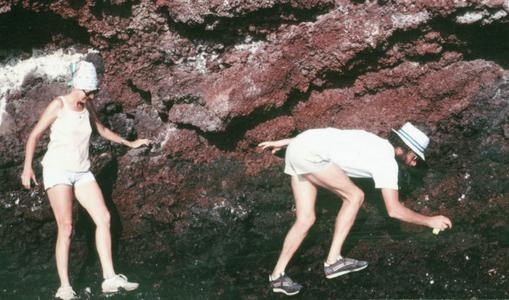
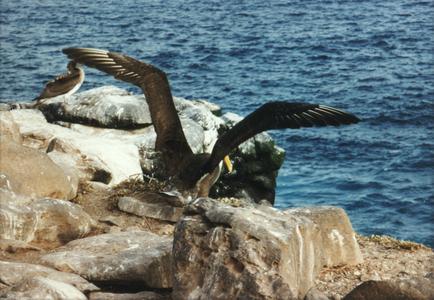
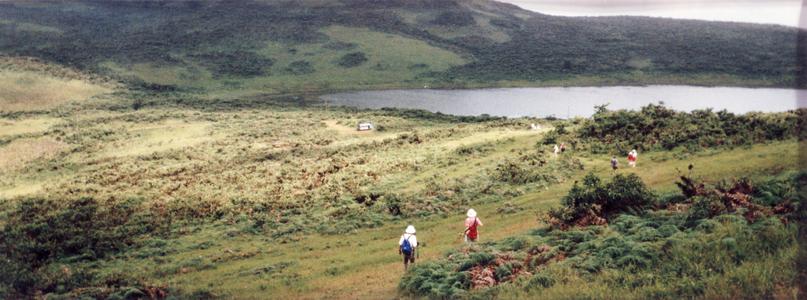
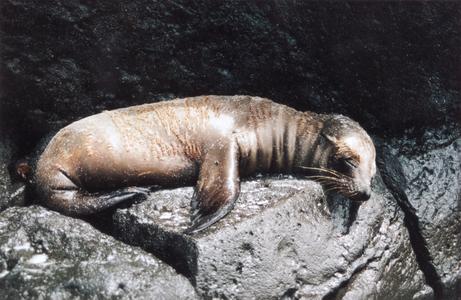
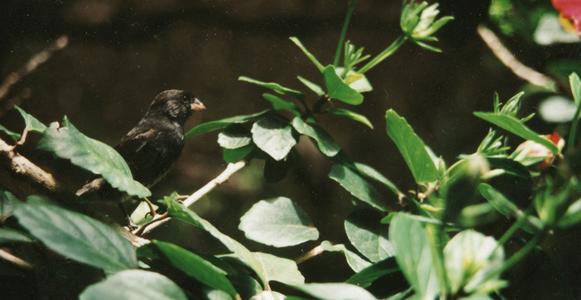
The University of Wisconsin–Madison Zoological Museum provides support of zoological research within the Department of Zoology, throughout the state and region, nationally and internationally by collecting, curating and managing, and making available for research study and university instruction collections of approximately 500,000 zoological specimens. One of the unique collections at the museum is that of the skeletons, slides, pictures, books, and research papers associated with the Galápagos Islands.


This compilation (including design, introductory text, organization, and descriptive material) is copyrighted by University of Wisconsin System Board of Regents.
This copyright is independent of any copyright on specific items within the collection. Because the University of Wisconsin Libraries generally do not own the rights to materials in these collections, please consult copyright or ownership information provided with individual items.
Images, text, or other content downloaded from the collection may be freely used for non-profit educational and research purposes, or any other use falling within the purview of "Fair Use".
In all other cases, please consult the terms provided with the item, or contact the Libraries.
Copied!